
Media touches all aspects of our lives, shaping how we see the world and ourselves. This issue explores both the benefits and challenges of media and provides strategies to help you take care of your mental wellbeing.
Mental Health & the Media: Navigating Influence in the Digital Age
In today’s world, media is everywhere. It’s on our phones, laptops, televisions, and even in the spaces we walk through daily. From films and TV shows to social media and the news, media holds powerful sway over how we see ourselves, others, and the world around us. It influences not only our beliefs and behaviours but also our mental wellbeing.
The truth is: we become what we consume. Just as we carefully choose what foods to put into our bodies, we should also be mindful of our “media diet.” Every scroll, click, or headline shapes our inner dialogue. The challenge is not to avoid media altogether, but to navigate it wisely and intentionally.
Positive Impacts of Media
The Pros of Media for Mental Health
While the media often gets attention for its negative effects, it’s important to remember that it also offers powerful opportunities to support mental wellbeing. When used thoughtfully and in moderation, media can be a force for good in our lives.
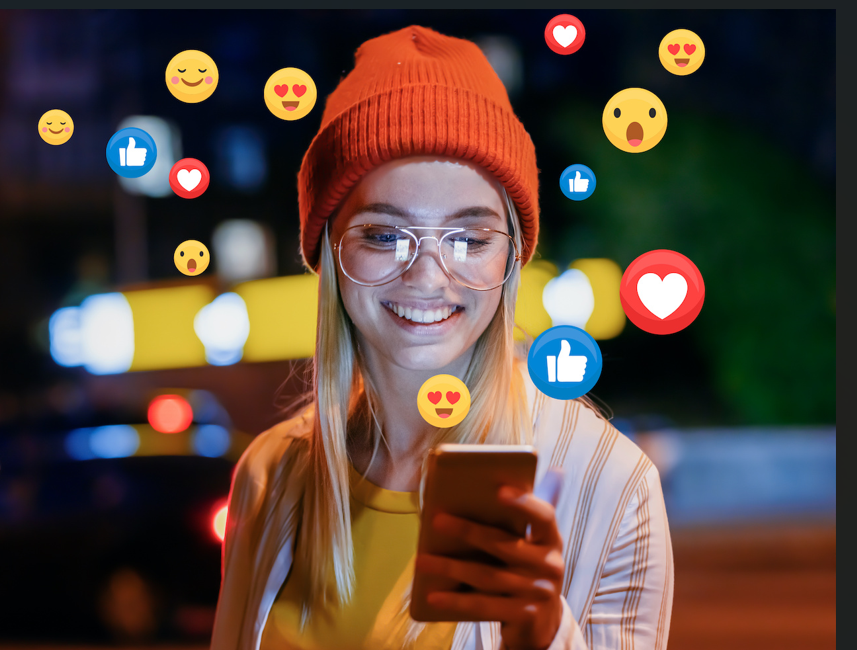
How Media Supports Mental Health:
Access to Support Networks & Apps: From meditation apps to peer-support groups, digital platforms provide immediate tools to help manage stress, anxiety, and overall wellbeing.
Inspiring Campaigns: Social media movements and public campaigns are helping to break down stigma and normalize conversations about mental health.
Online Therapy & Accessibility: Virtual counselling and therapy platforms make professional support available to those who might not otherwise have access whether due to location, cost, or mobility.
Celebrity Advocacy: When public figures openly share their struggles and coping strategies, it humanizes the conversation and encourages others to seek help.
Entertainment & Stress Relief: Music, films, podcasts, and even light-hearted YouTube video content can offer moments of relaxation, joy, and escape from daily pressures.
Media can also be a Tool for Growth
At its best, media can:
Raise Awareness: Campaigns, documentaries, and stories help bring mental health into everyday conversation.
Build Community: Online spaces allow people to connect, share experiences, and realize they’re not alone.
Provide Education & Resources: Never before has mental health information been so widely available whether through expert blogs, webinars, or free toolkits.
By choosing uplifting, supportive, and educational content, we can use media not as a distraction, but as a resource for healing, learning, and connection.
The Cons of Media for Mental Health
While media can inspire, connect, and educate, it also comes with risks when overused or consumed without balance. What we see and absorb online has the power to impact how we feel about ourselves, our relationships, and even the world around us.
How Media Can Negatively Affect Mental Health:
Unrealistic Standards: Endless streams of “perfect” images whether of bodies, lifestyles, or success can create pressure to measure up, often leading to self-doubt, low self-esteem, and distorted self-image.

Fear & Anxiety: The constant cycle of negative headlines, crises, and disasters can fuel stress, worry, and feelings of helplessness, a phenomenon often called doomscrolling.
Comparison & Cyberbullying: Social platforms can become breeding grounds for unhealthy comparisons. In more severe cases, individuals may face online harassment, bullying, or exclusion, leaving lasting emotional effects.
Validation Pressure: The chase for likes, followers, or shares can make self-worth feel dependent on digital approval, creating a cycle of insecurity and anxiety.
Sleep Disruption: Excessive screen use especially before bedtime disrupts healthy sleep patterns, which are vital for emotional balance and resilience.
Misinformation & Confusion: Not all content online is reliable. Exposure to false or misleading information can spread fear, discourage help-seeking, or promote harmful coping strategies.
Addiction & Screen-Time Fatigue: Constant notifications, endless scrolling, and binge-watching can create unhealthy habits, leading to mental exhaustion and reduced focus in daily life.

Finding Balance
In our hyper-connected world, it’s almost impossible to step away from media entirely and that’s not the goal. The key is to build a healthier relationship with the content we consume. Just as we’re intentional with the food we eat, we can be intentional with our “media diet.”
Ask yourself:
- Does this content inspire me, inform me, or uplift me?
- Or does it drain me, trigger me, or make me feel small?
By reflecting on these questions, we can notice patterns and make conscious choices about what we allow into our daily lives.
Practical Ways to Find Balance
Set Boundaries: Create screen-free timessu ch as before bed or during meals to give your mind space to rest.
Curate Your Feed: Follow accounts and pages that inspire positivity, compassion, and growth. Unfollow those that consistently make you feel anxious or inadequate.
Take Digital Breaks: Step away from constant scrolling by scheduling time offline. Even a short daily walk without your phone can restore clarity and calm.
Limit News Intake: Stay informed but avoid overexposure to negative headlines by choosing reliable sources and setting time limits for news consumption.
Prioritize Real Connections: Balance online interactions with face-to-face conversations, which provide deeper emotional nourishment.
Why does this Matters
Your mental health deserves the same care as your physical health. By approaching media use with awareness and boundaries, you can protect your wellbeing while still enjoying the benefits of staying informed and connected. Choose content that nurtures compassion, encourages growth, and strengthens your sense of connection with yourself and others.
Research shows that prolonged exposure to constant online news updates can increase anxiety, often leading to heightened worry and disrupted sleep.
As we’ve explored, media can both support and challenge our mental wellbeing. The key lies in finding balance, creating space for reflection, and choosing content and experiences that truly nurture us.
That’s exactly what our upcoming year-end events are designed to offer: opportunities to step away from the noise, reconnect with yourself, and be part of a community that uplifts and inspires.
“Thriving in the Middle” – Pullman Hotel, Oct 29th, 5:30–7:30pm
An empowering evening focused on shining the light on women’s health, wellness and resilience through the menopause journey and beyond.
“Journey to Joy” – Sunday, Nov 23rd, 10am–3pm
Our annual celebration of mental wellness, community, and joy, filled with connection, learning, and inspiration.
Both events are spaces where you can pause, reset, and choose input that nourishes your mental health much like curating a positive media diet.
For more information and to secure your tickets, kindly follow us on our socials and visit our website for direct links.
Come join us as we close the year with growth, connection, and joy.
Together, we can make a difference.
Reach out!