
As we approach the nearing of the end of the year, the days get longer, sunnier and hotter. Did you know that sunlight is associated with positive mental health? This time is a perfect opportunity to start preparing for the summer while enhancing your mental wellness. This involves setting intentions to embrace the season’s opportunities for health and joy. Establishing a routine that includes outdoor activities like walking or gardening, which boosts mood and physical fitness. Staying hydrated and prioritizing a balanced diet rich in seasonal fruits and vegetables for optimal energy and mental clarity. Conscious use of sunscreen and wearing of protective clothing to safely enjoy the sun’s benefits. It also entails taking up mindfulness practices like yoga and/or meditation outdoors to deepen relaxation. And, planning social gatherings or solo adventures that align with your interests, fostering connection and personal empowerment.
Our mission is to:
- Helping those in need
- Eliminating stigmatization – especially those associated with mental illness.
- Encouraging communication about our emotions
- Educating about mental health
- Providing tools for self-care
- Reducing the number of suicides in Victoria
If you or anyone you know needs skills and tools to deal with life struggles, please contact us. More information is available on our website at www.atheniesangels.org.au.
Fun Facts
Learn the association between weather and your state of mood and emotions.
Facts:
It is scientifically proven that bathing in the sun and being exposed to more sunlight actually stimulates serotonin in the brain, which can improve mood and energy levels, benefitting everyone in the process. The sight of sun also promotes being more outgoing, seeing more of your friends and family, or more exercises like sports, which are all linked to reduced risk of depression and anxiety. However, in the events of extreme heat, it can also cause discomfort, irritability and even stress. This is why finding a perfect balance is crucial, similarly to maintaining your mental well being.
On the other hand, when the weather is cold and gloomy, people are more likely to stay at home. The coldness tend to lead more people to remain in their beds, alone with their thoughts and cause them to be isolated. This tend to promote higher risk of depression and anxiety. Being alone with your thoughts could be scary. When this occurs, please remember that Athenies Angels is always around if you need someone to talk to.
Topic: Obsessive-Compulsive Disorder
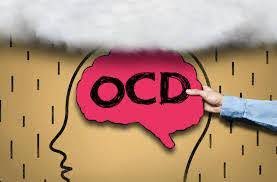
Have you ever had friends who tend to seem to be ‘perfectionists’? An example could be a situation where perhaps the chairs were not straight, and they go out of their way to make it straight, or something similar to this. People often go around labeling this as “OCD”, which stands for Obsessive-Compulsive Disorder. This labeling, has misled many to misunderstanding the severity and symptoms of OCD, which has caused many of its victims to be ostracized. Today, we will be breaking down this disorder, as well as how to spot it, its relationship with hot weather and how to help someone who may be suffering from it.
Definition: OCD is known as a condition where a person suffers from both obessions and compulsions. Both of these conditions have to be fulfilled to relieve their state of anxiety. Obsessions can be defined as unwanted, repetitive thoughts, whereas compulsions are defined as feeling the need to do certain actions repetitively.
The relationship between obsessive-compulsive disorder (OCD) and warm weather varies among individuals. Warm weather can have both positive and negative impacts on people with OCD. On one hand, as previously stated, an increased to sunlight exposure in warmer months may boost serotonin levels, which can improve mood and potentially alleviate some OCD symptoms. Warm weather also encourages outdoor activities, which can serve as distractions or reduce stress, indirectly benefiting mental health.
On the other hand, heat and humidity can sometimes exacerbate anxiety, which is a core component of OCD, due to physical discomfort or irritability. Additionally, seasonal changes may disrupt routines, potentially heightening compulsive behaviours for those who rely on strict patterns to manage their symptoms. The overall impact often depends on individual triggers, coping mechanisms, and the severity of OCD.
Prevalence: Approximately about 2-3% of Australians experiences OCD at some point in their lives. More recent statistics indicate that 3.1 % of Australians, ranging from the ages of 16-85 have experienced OCD in the past year. Don’t let these low numbers fool you. Many Mental Health Disorders tend to go unreported due to the lack of knowledge on the mental disorder. OCD is one perfect example, as these people are often labeled as “annoying” or sometimes even “freaks”, instead of people that require help.
Problems associated with OCD:
- Stigma and shame: People suffering from OCD don’t appear to be abnormal visibly. To the public eye, they just seem paranoid and anxious. This may agitate people around them who do not understand the disorder well enough, causing them to be shunned.
- Functional impairment (Work or school related): This could appear in two forms: Lack of interaction with others, and often being distracted due to their obsessions and compulsions.
- Social Isolation: People often avoid patients with OCD due to lack of understanding of it.
- Avoidance: Patients with OCD tend to try their best to avoid certain behaviors or places, that often acts as triggers to their obsessions or compulsions acting up. This may deter their daily lifestyle.
Treatment: The most common treatment known for alleviating OCD symptoms would be Cognitive Behavioural Therapy (CBT). To be more specific, it is actually Exposure and Response Prevention (ERP). In ERP, Psychologists and patients work hand in hand to develop goals for the clients, to help understand what situation trigger obsessions. Psychologists then exposes clients gradually to those situations, slowly easing them back. However, it does not always have to entirely depend on psychologists. YOU, could be someone who help someone with OCD. All you have to do, apart from understanding this disorder, is just to be there to comfort them when their compulsions and obsessions start to act up.

Michael Clarke; officially diagnosed patient with OCD.
Many of you may know Michael Clarke as the former Australian cricket captain. However, not many knows that he is someone who suffers from OCD. In a recent interview, he has come out sharing about his struggles with OCD – specifically pointing out times where he faced troubles with simple day-to-day activities, such as being obsessed with cleanliness in his house, and always having to fill his car tank. These behaviours cost him greatly in the long run in this relationship with his family and his professional career.
Clarke’s candid conversations about his OCD have helped raise awareness about the condition, showing how individuals can manage their challenges while excelling in their fields. His story serves as an inspiration, highlighting the importance of seeking support and embracing one’s uniqueness as part of their journey to success.
No one is immune to a mental illness!
2025 Update:
Take charge of your mental wellness in the new year!
Join our transformative mental health programs designed to empower, inspire, and uplift. Whether you’re seeking stress management tools, emotional resilience strategies, or a supportive community, we have something for everyone. Don’t wait—spots are limited!
Sign up today and make your mental well-being a priority for a brighter, healthier you.
Go to our website at atheniesangels.org.au/contact and fill in the form. We’ll be in touch in February 2025 with the details of the programs.
Together, let’s embark on your Journey to Joy!
Join us at the celebration on Sunday 24th. Get your free tickets through Humanitix. For those who are outside of Victoria, the event will be live streamed on Instagram.

We are a place a hope!
Writers, Researchers:
Aya-Ti Thomas
Danny Lou