
This month our focus is on the power and benefits of ART in our lives.
Art for Wellbeing
What is mental health art therapy?
Art therapy is a niche within the mental health care industry focused on encouraging people to rely on art to improve their outlook and reduce symptoms of anxiety and depression.
This can be achieved by observing art and studying it intricacies. It can also be achieved by rolling up your sleeves and diving into an art project – whether it be drawing, painting, sculpture, clay, photography, etc. And it is a pursuit that you can follow alone or with a friend or in in a group or in a class. The choices are almost endless and the rewards can be healing, developing a greater sense of self-awareness through creative expression. If you never thought of yourself as a artist you might just try it!!
Art therapy is a clinical practice that blends creativity and psychology to support emotional healing. Learn why it matters.
When people hear the term art therapy, they often imagine something akin to a casual paint night—relaxing, creative, but not exactly life-changing. Yet, this misunderstanding couldn’t be further from the truth. Art therapy is a specialized form of psychotherapy that blends artistic creation with psychological analysis to uncover and address complex emotions, often in ways that traditional talk therapy cannot. In a world grappling with rising levels of anxiety, depression, and trauma, the question isn’t just “What is art therapy?” but “Why do we need it?”
The Science and Practice Behind Art Therapy
Art therapy operates on a simple but powerful premise: when words fail, images speak. Using materials like paint, clay, or charcoal, individuals can express emotions and thoughts that are buried deep in the subconscious. This process can illuminate feelings that are hard to articulate, such as fear, shame, or unresolved grief. Unlike traditional therapy, which relies on verbal communication, art therapy taps into the brain’s non-verbal centers. Research has shown that engaging in creative activities can activate neural pathways linked to memory and emotion, making it a particularly effective tool for trauma recovery.
Various programs provide rigorous training that merges clinical psychology with the visual arts. Graduates become experts at helping clients navigate the complex interplay between imagery and emotion. Each line, color, and shape carries meaning, which the art therapist carefully deciphers to guide clients through their personal experiences. In this context, the act of making art is not the end goal—it’s a starting point for deeper therapeutic work.
Why the World Needs Art Therapy: More Than Just “Art as Therapy”
The real power of art therapy lies in its dual focus on emotional expression and therapeutic transformation. An art therapist does not just hand over a paintbrush; they create a supportive environment in which individuals can safely project and explore their emotions. For a veteran grappling with PTSD or a child who has experienced trauma, this distinction matters. The guidance of a professional ensures that difficult emotions are not just uncovered but processed and integrated in a meaningful way.
A Crucial Tool for Mental Health
Art therapy has proven effective for a wide range of conditions, from anxiety and depression to neurodevelopmental disorders. In fact, a study published in the Journal of Trauma & Dissociation found that participants who engaged in art therapy showed significant improvements in emotional resilience and a reduction in PTSD symptoms. This makes it an ideal intervention for people who struggle to articulate their emotions or those who have difficulty connecting with more conventional therapeutic methods.
Art Therapy for All Ages
For children with developmental disorders, art therapy can serve as an early intervention that helps them communicate more effectively, build social skills, and reduce problematic behaviors. For adults dealing with chronic pain, it offers a way to externalize their experience and regain a sense of control. And for elderly individuals facing memory loss or cognitive decline, creating art can help maintain a sense of identity and dignity.
Why the World Needs Art Therapy More Than Ever
In a time when global anxiety levels are skyrocketing, and traditional healthcare systems are stretched thin, art therapy provides a vital alternative. It bypasses the often intimidating setting of a therapist’s office and invites people to explore their inner worlds through a medium that feels less judgmental and more accessible. This is especially crucial for those who feel alienated or resistant to conventional treatment options.
Some Local Art Programs in Melbourne
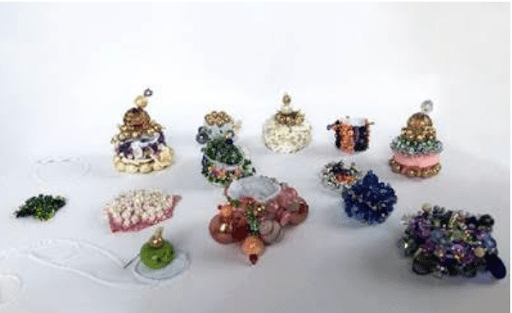
he Dax Centre is offering a new program – Vessels for Emotional Holding
Try something new on Saturday April 5. Join artist Louise Meuwissen in a workshop celebrating craft-based artmaking as a generative and restorative practice for emotional wellbeing. This workshop celebrates the power of adornment, symbology, and personal expression. Create your own soft sculpture, in the form of a small, lidded vessel for emotional holding, embellished with recycled vintage and contemporary beads and sequins from Louise’s collection.
Participants with all levels of experience are welcome and encouraged – no prior sewing experience necessary. All materials provided. (Please feel welcome to bring along any materials of significance or sentiment you would like to include in your own work).
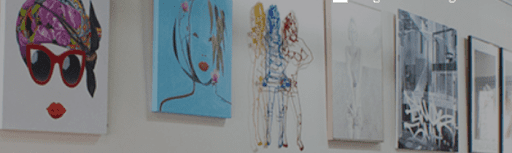
The Jackman Gallery
Currently Local visual artist Karen Yvette Clarke is being showcased in the front window of The Jackman Gallery on Inkerman in St Kilda. She is thrilled to hang her work here in their impressive exhibition space, a sculpture park and a stockroom, that features outstanding contemporary art by talented artists.
In May, Clarke’s work will also be included in the upcoming group exhibition Re/Connected at The Dax Centre in Parkville.
A passionate supporter of mental health research and education, Clarke is honoured to be working alongside The Cunningham Dax Collection and Sane Australia www.sane.org bringing insight and understanding to people, families and communities living with mental health challenges.
If you or anyone you know needs skills and tools to deal with life struggles, please contact us.
As always, we strongly encourage you to seek help for yourself and your loved ones as soon as possible. Athenie’s Angels is here to support you in your struggles on your journey to embrace mental wellbeing. More information is available on our website at www.atheniesangels.org.au.
We continue on our journey to understand mental illness and embrace resilience to find happiness and well-being and we encourage you to join us on this journey.
Please keep reading our newsletters and visiting our website and social media platforms for inspiration and comfort and news about our many 2025 programs, including counselling services and community events.
Reach out!
We are a place of hope!