
Here we are in the final month of the year 2024. It is a time for reflection of both the past and the future. At Athenie’s Angels we firmly believe in the power and strength of the human spirit. We can use this time of year to feel our sorrows but to also believe in and plan for a better tomorrow. We have so much planned for 2025 and want to share it all with you. Keep reading and you will see what we have in store for you!!!
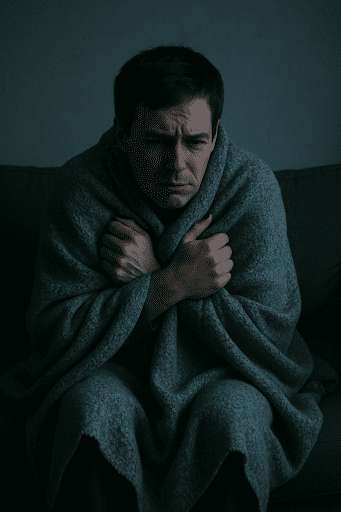
Seasonal Affective Disorder (SAD)Seasonal Affective Disorder is a type of depression triggered by seasonal changes, typically emerging during autumn and winter months. Reduced sunlight affects serotonin levels and disrupts circadian rhythms, influencing mood and emotional well-being. Around 1 in 300 Australians experience SAD annually, often linked to or exacerbating other mental health conditions. It’s important to recognize SAD’s association with other mental health conditions and know how to manage them effectively.Common Conditions Associated with SAD:Major Depressive Disorder (MDD)
MDD involves persistent sadness, lack of interest in activities, fatigue, insomnia, and low concentration lasting at least two weeks. During winter, diminished sunlight can worsen depressive symptoms, causing relapses or intensified episodes.
Treatment: Typically treated with psychotherapy (counselling or talk therapy) and antidepressants, aiding individuals in managing symptoms effectively.
pically treated with psychotherapy (counselling or talk therapy) and antidepressants, aiding individuals in managing symptoms effectively.
Bipolar Disorders
Characterised by significant mood swings between manic (high energy, decreased need for sleep, impulsivity) and depressive episodes. During winter, depressive episodes often increase due to limited sunlight exposure.
Treatment: Includes mood-stabilising medication, psychotherapy, and sometimes seasonal-specific treatments like light therapy to manage depressive phases effectively.
Anxiety Disorders
Winter’s darkness and isolation can heighten anxiety disorders, including Generalised Anxiety Disorder (GAD) and panic disorders. Symptoms often include persistent worry, restlessness, irritability, and sleep disturbances.
Treatment: Management involves cognitive behavioural therapy (CBT), relaxation techniques, and sometimes medication to control anxiety.
Premenstrual Dysphoric Disorder (PMDD)
PMDD is a severe form of premenstrual syndrome, with emotional and physical symptoms significantly affecting daily life. Reduced sunlight and disrupted circadian rhythms in winter months can exacerbate emotional instability.
Treatment: Often managed through lifestyle changes, counselling, hormonal therapies, and antidepressants.
Eating Disorders
Conditions like binge eating disorder, anorexia nervosa, and bulimia nervosa can worsen during winter due to increased isolation and emotional distress.
Treatment: Involves psychological counselling, nutritional guidance, and sometimes medication to stabilize mood and anxiety linked to eating behaviours.
Substance Use Disorders
Individuals with SAD may turn to substances as coping mechanisms, increasing the risk of substance misuse and dependency during colder months.
Treatment: Comprehensive approaches combining detoxification, therapy, counselling, and community support are effective for managing and overcoming substance misuse.
Sleep Disorders
Reduced daylight hours in winter often disrupt sleep patterns, exacerbating conditions such as insomnia or hypersomnia, severely impacting overall well-being.
Treatment: Typically includes light therapy, CBT for insomnia, good sleep hygiene practices, and possibly medication to restore healthy sleep cycles.
Recommended Counselling and Management Techniques for SAD
Light Therapy
The most recommended treatment for SAD involves daily sessions with a special light box emitting artificial sunlight. Regular sessions (30-60 minutes) help regulate sleep-wake cycles, improve mood, and increase daytime productivity.
Cognitive Behavioural Therapy (CBT)
CBT helps individuals cope with negative thought patterns associated with SAD and related conditions by encouraging positive behavioural changes, active coping strategies, and stress management techniques.
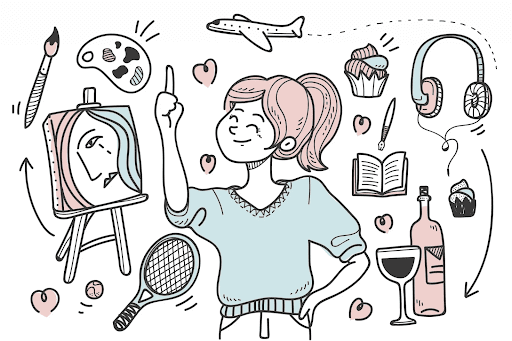
Importance of Engaging in Hobbies
Definition:
Hobbies are enjoyable activities voluntarily pursued during free time, beneficial individually or socially.
Benefits:
Reduced Stress: Regular participation in hobbies, especially creative ones, reduces cortisol levels significantly, even in beginners.
Enhanced Well-being: Engaging in hobbies boosts overall mood, self-esteem, and emotional resilience.
Improved Social Connections: Hobbies provide opportunities for social interactions, fostering connections that help reduce symptoms of anxiety and depression.
As winter settles in, it’s important to be proactive about your mental health. Whether it’s through light therapy, CBT, or simply dedicating time to a hobby you love, there are many strategies to keep your spirits high during these colder months. Take this opportunity to explore new activities, reach out for support, and prioritise self-care. Remember, you’re not alone, and help is available to support you through the winter blues.
Remember, reaching out for support is a strength, not a weakness. You’re not alone, and help is always available.For more mental health resources and support, join our community on Instagram @atheniesangels or reach out by visiting our website at atheniesangles.org.au. One of our dedicated team members will get in touch to address your needs and concerns.
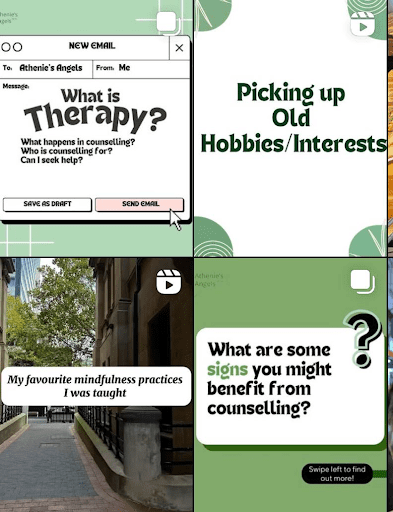
Athenie’s Angels is here to support YOU!
We are a place of Hope!